Why Chrome Hair Is the Technique Test of 2026
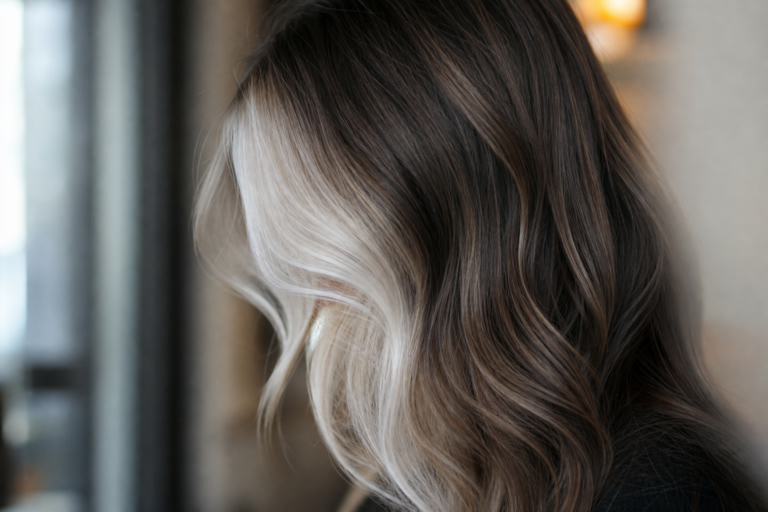
Every season has a trend that looks effortless on the client and punishing in the execution. In 2026, that trend is chrome hair — high-shine, silver-infused color that reflects light like polished metal and photographs beautifully. It’s showing up in editorial spreads, on fashion week runways, and increasingly in the consultation chair at salons across the country.
The appeal is obvious. The challenge is less talked about: chrome and metallic finishes are extraordinarily unforgiving. The line between “luminous metallic dimension” and “uneven brassiness” can come down to minutes of processing time. When you can’t see what’s happening under the wrap, you’re guessing — and with this particular finish, guessing costs you a rebooking.
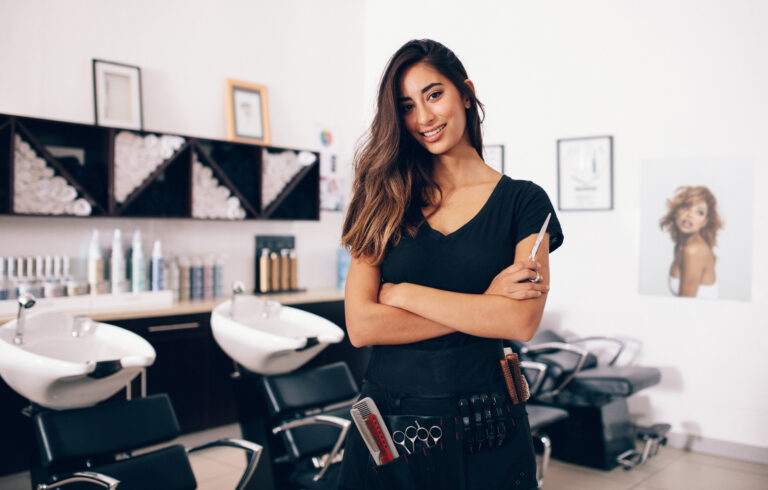
After twenty years watching colorists work the floor at Empires salon, Gary Quale built ColorShells to solve exactly that problem. Real-time transparency during lift isn’t a nice-to-have on chrome services. It’s the whole game.
What Makes Metallic Hair Different (and Harder)
Traditional balayage and warm blonde highlights have a natural grace period. The tones involved — gold, honey, caramel — are forgiving at a range of lift levels. Chrome and metallic effects don’t work that way. These finishes demand a very specific lift stage: past the orange phase, past gold, into the pale yellow zone where silver and ash tones will actually deposit correctly. Lift too little and your metallic tone looks murky. Lift too far and you’ve compromised integrity without gaining the high-shine payoff.
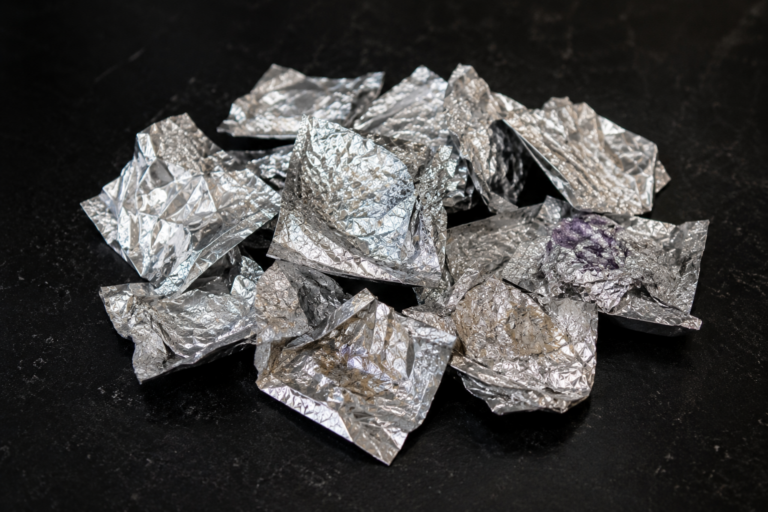
There’s also the toning phase to consider. Metallic results typically require toning after lift — and the starting point matters enormously. With traditional foil, assessing that starting point means disturbing the section. Open the foil to check, and you’ve introduced air, changed the temperature environment, and potentially altered the remaining processing time. With a transparent highlighting tool, that mid-service check becomes a non-event. You look, you assess, you leave it alone.
The Technique Differences That Matter
Chrome hair services tend to work best with very precise, consistent sections. Unlike lived-in balayage — where a degree of variation reads as natural — metallic dimension needs evenness to reflect properly. The product distribution inside each section needs to be uniform from root to point.
ColorShells’ interior design grid is built for exactly this. The grid holds more product against the hair and promotes even saturation across the full section. On metallic services, this consistency pays dividends: even lift, even toner deposit, even result. Foil, by contrast, can pool product at the fold point or allow dry spots at the ends when technique isn’t perfect.
The technique with ColorShells also differs from traditional foil in a few key ways: the hair is flipped back before the second color application, a pin comb is used for sectioning, and the snap-on alignment guides keep each shell exactly where you placed it — critical when you’re working quickly through a full head of precision metallic sections.
Protecting Hair Integrity on High-Lift Services
Chrome hair typically involves significant lift, and that means hair condition is not a small concern. Stylists who approach metallic services with a hair health protocol — bond builders, protein treatments, and proper aftercare consultation — see better retention of the metallic finish over time and fewer callbacks for damage-related tone loss.
The ability to monitor lift in real time also has a direct impact on integrity. The most common route to over-processed hair isn’t deliberate — it’s leaving color on longer than necessary because checking requires disturbing the section. When you can see the lift stage without opening anything, you can pull at exactly the right moment. That’s not a cosmetic advantage. That’s a structural one.
Selling Chrome Services: What Clients Actually Want to Hear
Most clients who walk in asking for “chrome hair” have seen a photograph. What they’re imagining is the high-shine, freshly-toned result — not the weeks of maintenance that follow. A professional consultation for metallic color should include honest expectations about toner maintenance cadence, home care (no heat without heat protectant, sulfate-free shampoo, cool rinses to seal the cuticle), and how the finish will evolve between appointments.
Clients who receive that education — and then see their colorist working with a tool that lets them visibly monitor the process — trust the service at a different level. Transparency, literal and figurative, builds loyalty.
What’s Trending Alongside Chrome in Summer 2026
Chrome and metallic hair don’t exist in isolation in the 2026 color landscape. They’re part of a broader move toward high-finish, dimensional color: rich brunettes and bronde shades going darker and more lustrous, warm honey tones fading out as the cool, reflective aesthetic picks up. For salons building out their summer service menu, chrome is a logical anchor for a high-value color package alongside toning glosses and bond-strengthening treatments.
Air touch balayage — now firmly mainstream — is also proving to be a strong technical pairing for metallic effects. The technique’s soft, diffused blending creates an ideal canvas for silver and ash tones to sit naturally at the mid-lengths and ends, without the harsh demarcation that can make metallic finishes look flat.
Ready to See the Lift in Real Time?
If you haven’t tried ColorShells on a chrome or metallic service yet, this summer is the window. The trend has momentum, client demand is building, and the technical advantage of real-time visibility during high-lift services is measurable. Pick up your Starter Kit and put them to work on your next metallic appointment.
Shop ColorShells at colorshells.com/shop/ — reusable, transparent, built by a salon professional who’s been exactly where you are.
Are you adding chrome and metallic services to your menu this summer? Tell us what technique you’re pairing them with — we’d love to feature your work.