


If there’s one service that separates technically gifted colorists from the rest of the chair, it’s babylights. Done well, they look effortlessly sun-kissed — the kind of color clients swear they were born with. Done poorly, they look like a bad highlighting job. In 2026, with natural dimension dominating every salon trend report from Behind the Chair to Wella, demand for precise babylight services is only going up.
After more than two decades in the salon industry — including running Empires, a multi-location chain in New Hampshire — I’ve watched colorists struggle with this technique for years. The tools have always been the bottleneck. That’s why we built ColorShells 2.0 the way we did. But before we get to that, let’s talk about what makes babylights so technically demanding in the first place.
What Makes Babylights Different (and Why Clients Keep Asking for Them)
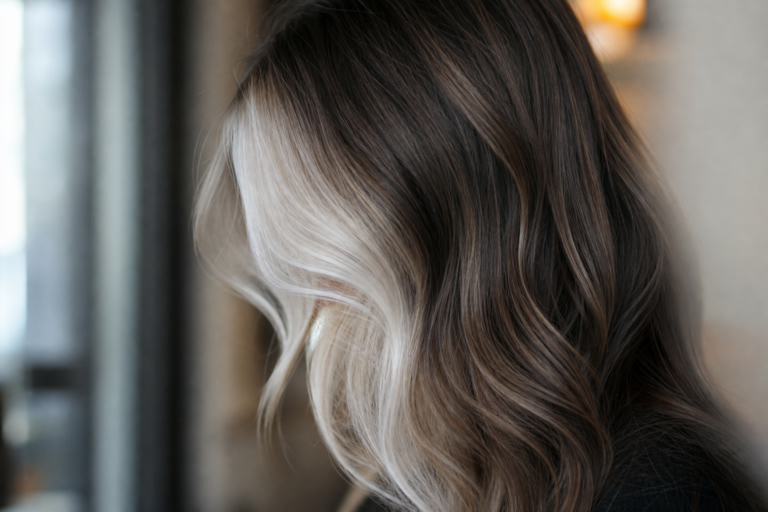
Babylights mimic the natural dimension children’s hair has — tiny, fine sections of lightened hair scattered throughout, creating depth rather than a solid highlighted stripe. The sections are much finer than traditional highlights, which means more of them, more precise placement, and longer processing times.
They’ve surged in popularity because they deliver a result that reads as “natural” — no harsh lines of demarcation, no obvious regrowth problem, no tell-tale uniform placement. For clients who want dimension without committing to a dramatic change, babylights are the answer. For salon owners, they’re a premium-priced service that drives loyalty.
The Timing Problem Every Colorist Knows
Here’s the challenge with babylights that nobody in product marketing wants to talk about: because the sections are so fine, lift moves fast. Faster than a standard highlight packet. Miss your window by a few minutes and you’ve either under-processed (no visible result) or over-processed (damage the client doesn’t forgive).
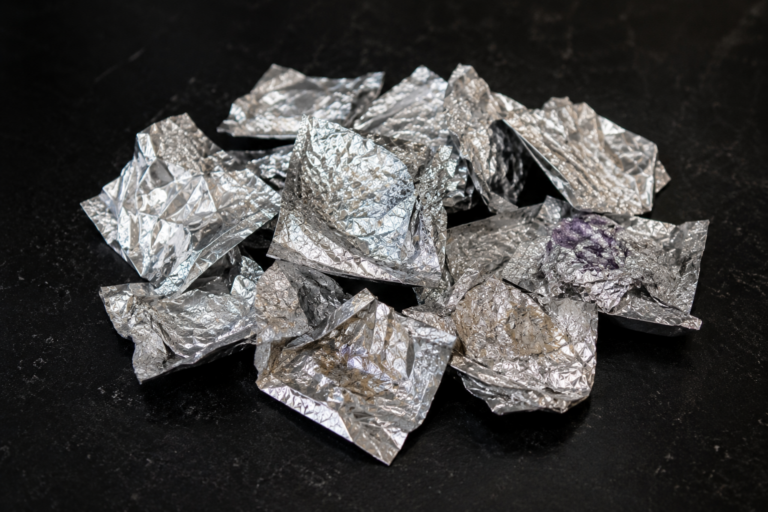
With traditional foil, you’re working blind. To check lift, you have to disturb the packet — fold back the foil, interrupt the heat retention, risk shifting the hair position. For a service where you might be working with 40–60 individual sections, that adds up to a lot of interruptions, a lot of variables, and a lot of potential for inconsistency across the head.
This is the part that kept me up at night running Empires. Even our best colorists had timing inconsistency on babylight services because the tool made it nearly impossible to monitor without disturbing the work.
Why Transparency Changes the Game
The single most important thing ColorShells 2.0 does differently from foil for babylight work is this: you can see what’s happening without touching anything.
The shells are fully transparent. Lift level is visible in real time. You walk down the row, glance at each section, and you know instantly which ones are ready to rinse and which ones need another few minutes. No folding back. No disturbing the placement. No guessing.
For a service where 10 sections might lift in 22 minutes while 10 others need 28 minutes — because of root proximity, natural depth, and previous color — that visibility is the difference between a good result and a great one.
The Snap-On Grip for Fine-Section Work
Fine hair sections also mean less surface area to hold product. Traditional foil relies on folding and crimping to stay in place — which works fine for thick, wide packets but gets fiddly with the narrow sections of a babylight service. Foil slides. It shifts. It catches on neighboring packets and creates contamination.
ColorShells 2.0 snaps on and stays. The rear alignment guides lock the position, and the internal design grid holds more product against the hair with consistent surface contact. Once it’s placed, it doesn’t move — which means your babylight sections develop exactly the way you placed them.
Technique Notes for Babylight Work with ColorShells
A few things that help when you’re adapting your babylight technique to shells instead of foil:
Use your pin comb for fine-section separation — the same way you would for foil. The motion that changes is in the placement: you’re folding the hair rather than wrapping and crimping. Trap the hair gently under your thumb as you position the shell, then flip the hair back before applying color again. It takes one or two services to get comfortable with the motion, but once you have it, it’s faster than foil.
Because you can monitor lift visually, set a mental “check walk” interval — every 5 minutes, walk the full head. You’re not touching anything, just observing. This keeps you from camping on one area and missing faster-lifting sections elsewhere.
Rinse in sequence by lift level, not section order. With foil, stylists typically rinse start-to-finish. With ColorShells, you can genuinely triage — rinse the sections that are ready, leave the others in place. This produces more even results across the whole service.
The Cost Math for a Premium Service
Babylights are already a premium-priced service. The cost-per-section math makes ColorShells an easy pitch to salon owners: at roughly $0.13 per use versus $0.33 or more for pre-cut foil, the savings on a 50-section babylight service are immediate and obvious. For a busy colorist doing four babylight services a week, that’s real money staying in the salon.
The sustainability story adds another layer. Green salon credentials matter to the clientele that books premium color services. Switching to a 100% recyclable, reusable tool for your highest-end highlighting service is a talking point that resonates in the treatment room.
Ready to Upgrade Your Babylight Technique?
ColorShells 2.0 was built by someone who watched hundreds of professional colorists work — and who understood that the foil problem wasn’t about effort or skill. It was about the tool. Fine-section work deserves a fine-section tool: transparent, grippy, consistent, and built for the realities of a busy salon floor.
If you’ve been doing babylights with foil and wondering why the results vary service to service, the answer might be simpler than you think.
Explore ColorShells 2.0 and start your first week on us ?
Are you doing babylights differently in your salon — and what’s the biggest technique challenge you run into? Drop it in the comments. We read every one.
Greetings! Very helpful advice within this post! It is the little changes that
make the largest changes. Thanks for sharing!